

Most of us spend our lives on autopilot. Or to put it better, most of us spend most of our lives on autopilot. Bill has tried in this book to preach the message of being more deliberate with our life choices and mapping out our trajectory more optimally.
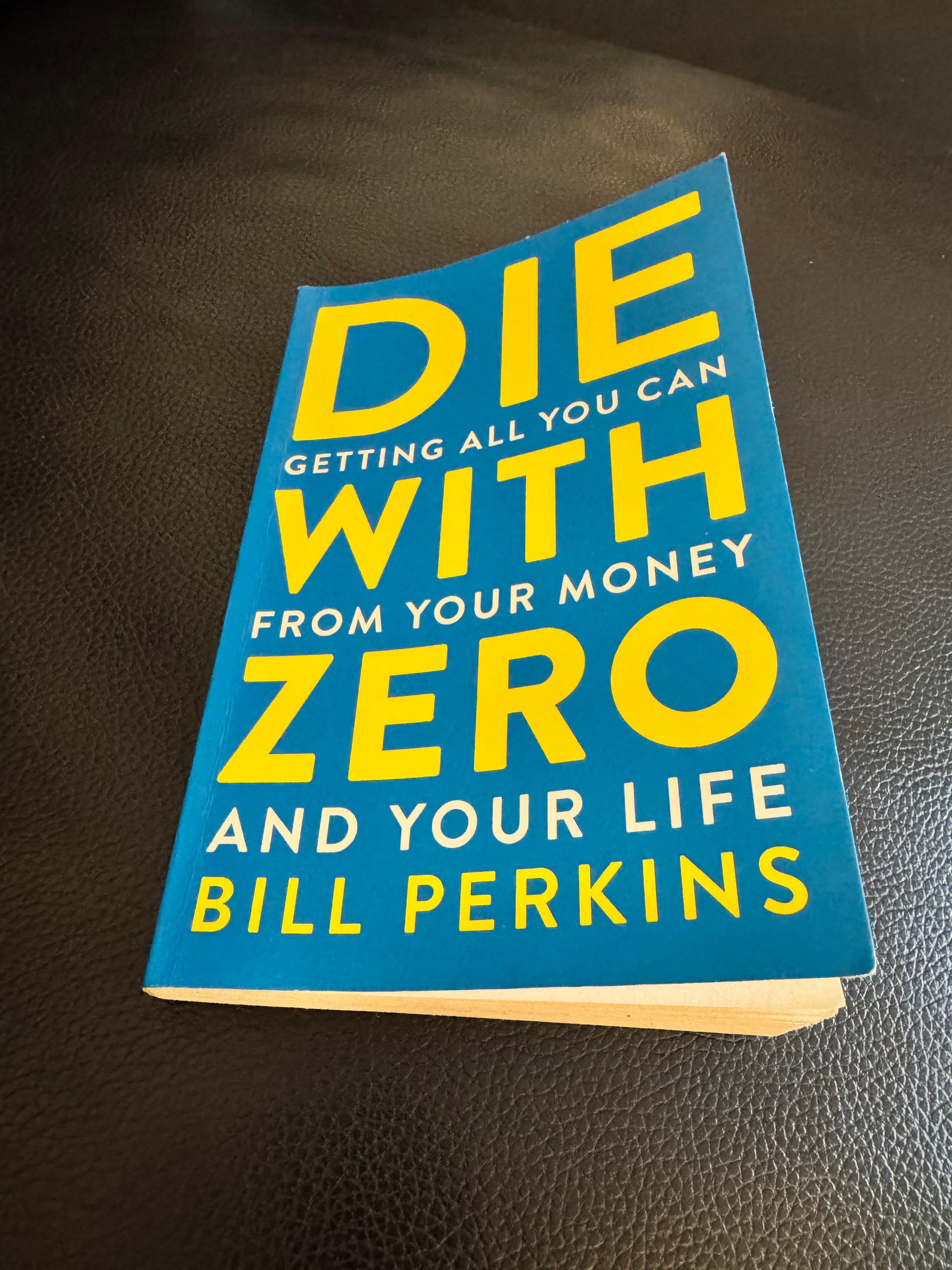
To be more specific, most of us spend most of our lives chasing money, mainly for two reasons:
To pay our day-to-day bills and expenses
To save for our retirement
It’s this second point that Bill has tried to address more elaborately in this book. Retirement has somehow become this golden age that we are supposed to save for—for when we won’t be working anymore once we are retired—and then we can use our savings to enjoy our best life. But is it so…?
Bill is preaching that the aim of life should not be to get “rich” monetarily. Instead, it should be to get the most number of fulfilling experiences under the curve of our life span, at the right age. Because once we are old, it doesn’t matter how much money we have in the bank—we will be missing two other essential ingredients required for living a fulfilling life: time and health.
A fulfilling life requires the right balance of these three components:
Money
Health
Time
When we are kids, we haven’t yet achieved our peak health and have no money of our own. When we are old, we have money, but we have surpassed our peak health years and have very limited time left on this Earth.
Thus, Bill suggests that we map out our life trajectory in such a fashion that we start accumulating the best experiences at the right age, when we have enough money, good health, and plenty of time ahead of us to enjoy our riches. For most people, this age range will be between 40 and 60. Bill suggests that in this phase of life, we should be intentional enough to make sure we are maximizing great experiences, instead of saving endlessly. In fact, we should optimize in such a fashion that at the end of our lives, we are close to having zero money in the bank—because what good is any money once you are dead?
The book also addresses the most commonly asked questions when such an idea is proposed by the author, such as “what about the kids?” or “won’t I go broke that way?”
Personally, this book has made me think about my own life. Here are the questions I am asking myself:
Have I crossed my peak health? The answer seems to be yes. I am nearing 40, and my healthiest years are behind me. I am still in good health, but not as much as I was when I was 30 and could walk for many more hours than I can now.
How much more time do I have left on this Earth? The average life span in my family is somewhere in the 70-80 range. That means I have crossed the halfway mark.
Am I prioritizing making great memories with the people I love the most? I am to an extent, but given my health and the remaining potential time on this Earth, not enough. I think I am still prioritizing chasing money, putting in a lot of precious daily hours toward that goal, instead of enjoying life in healthy ways.
Over the coming days, I will definitely be evaluating my life choices.
This book has been a great read, and I highly recommend it. I bought a copy for my wife as well, encouraging her to read it so we can have good discussions around it.
Let me know what you think of this review in the comments.
Adios!