

A lot is being said lately about how addicted we are to our phones, and you don’t need a study to see it. Look around your own home. When you’re sitting next to your partner in the evening, are you two actually talking and catching up on each other’s day, or are you both scrolling? What about on your commute? A quick glance around you on London public transport is evidence enough of how hooked we are on our small phone screens.
But is it really our phones that we are addicted to? Phones were around long before smartphones, and nobody was losing their evenings to calls and texts. What we are really addicted to are the apps, and for most people that’s mostly social media.
If you like your social media time, and have no trouble spending extended hours on it, more power to you. But if you are someone who actually wants to cut back, here are some methods that have worked well for me.
1. When you’re at home, give your phone a place away from you
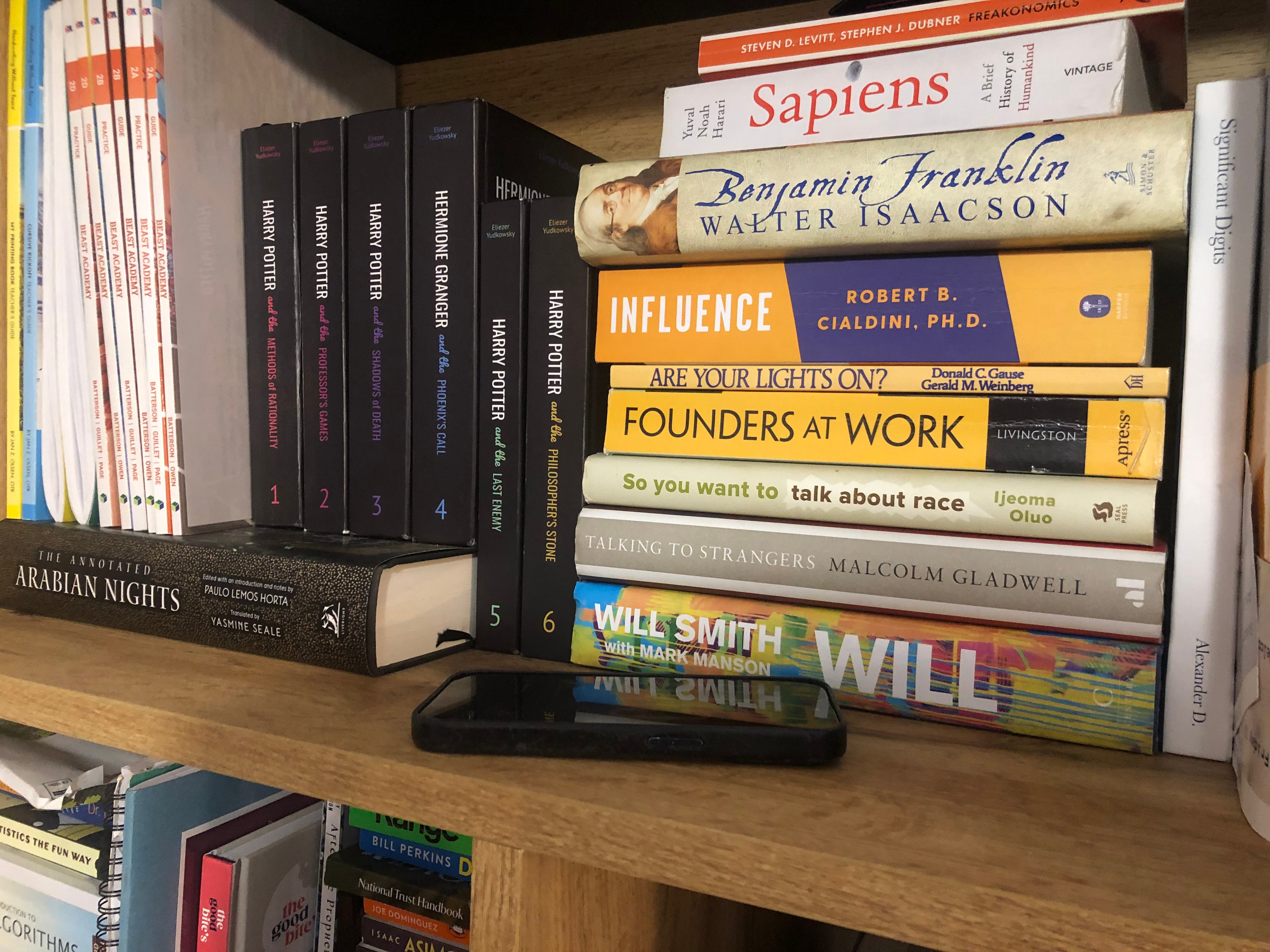
Pick a bookshelf in the living room, the top of a kitchen cabinet, or the gaming console shelf. It just needs to be far from where you spend most of your time, like the bed or the couch.
When you can’t reach out and grab the phone without thinking, that’s enough of a circuit breaker to stop a lot of the scrolling.
2. Use social media on your laptop, not your phone
You don’t need to delete your accounts and go cold turkey. Just delete the apps from your phone and log in on your laptop instead. You keep your access, and you still see whatever you think you might miss. It just doesn’t happen that often anymore.
Opening a laptop takes a conscious decision, and that friction alone cuts usage by a lot.
3. Leave the phone behind altogether
I recently started using a cellular Apple Watch in place of my iPhone - for when I am out and about for daily errands. It gives me calls and texts and nothing else I can get lost in. A basic dumbphone does the same job for a lot less money.
I didn’t expect how good it would feel to be out without a phone. It’s genuinely freeing.
4. Change your social media accounts’ passwords and lock yourself out
This is for when steps 1 to 3 aren’t enough, because the apps keep creeping back (the addiction is real).
Change your social media passwords to something random, and don’t write them down anywhere.
Make sure you can’t reset them yourself by setting the recovery email and phone number to your partner’s. Tell them not to give you the reset code unless you have a genuinely good reason.
I used this method myself and went well over a year without social media access. It worked so well that I built an app around the idea. Disconnect lets you pair up with a partner or friend and hard-block apps, and only they can unlock them for you.
None of these methods require you to delete your accounts and quit entirely. That’s a good option, but a hard one for most people. What these do is make your phone less of a reflex, so you use social media when you actually choose to.
In the past few years, I’ve gone without social media for lengthy periods multiple times. I realised how unnecessary social media is once you train your brain to not get its dopamine hits from it. Instead, I read a lot more, was more present around my family and friends, and when I did want screen time, I chose long-form: podcasts, or a proper family movie night on the big TV.
These methods also made me less available online, and my friends and extended family complained that I didn’t reply quickly anymore. Honestly, I took that as a compliment. I’ve told most of them that if they need me urgently, they can call me via cellular network, or drop me an SMS or iMessage. I don’t mind not being available on every other channel all the time.
Let me know which of these you try and how it goes.