

I am not convinced that full-time homeschooling is the right idea. I worry it will have a negative impact on social skills development, plus I don’t think it can be done without at least one parent being at home full time. Having said that, I do believe in supplementing a child’s education at school with activities and study at home.
Personally, I dedicate around 45 to 60 minutes daily to learning time at home, focusing on a number of topics. This doesn’t need to be a single session in one go—it can be broken down into smaller chunks of 15-20 minute sessions spread throughout the day.
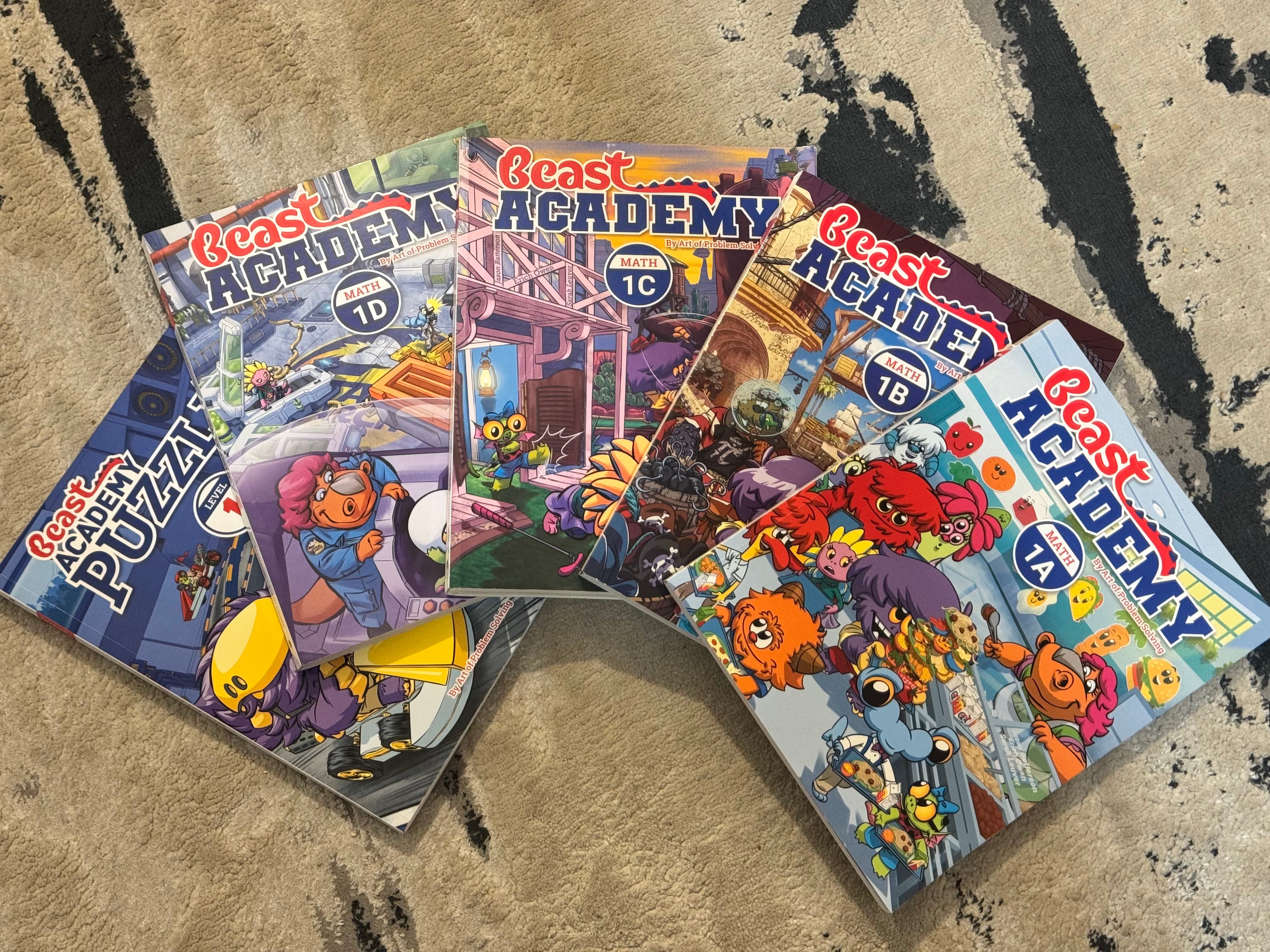
Beast Academy for Maths
This was one of the best discoveries I have made. I was looking for something exactly like this—a course that curates interesting topics in maths, teaches them in a story-like method, and fosters problem-solving skills instead of teaching dry arithmetic (think Kumon). Before I found this curriculum, I was pretty much on my own, inventing my own curriculum by searching for interesting math puzzles appropriate for a six year old. It was hard to find such puzzles that could form a cohesive and well-structured lesson plan.
Beast Academy is a very handy resource for teaching kids mathematical problem-solving. The books are colourful, written in a comic book format, and the topic selection—with its associated problems—is fun and challenging enough to engage a child on a journey of discovering what mathematics can be.
All About Spelling
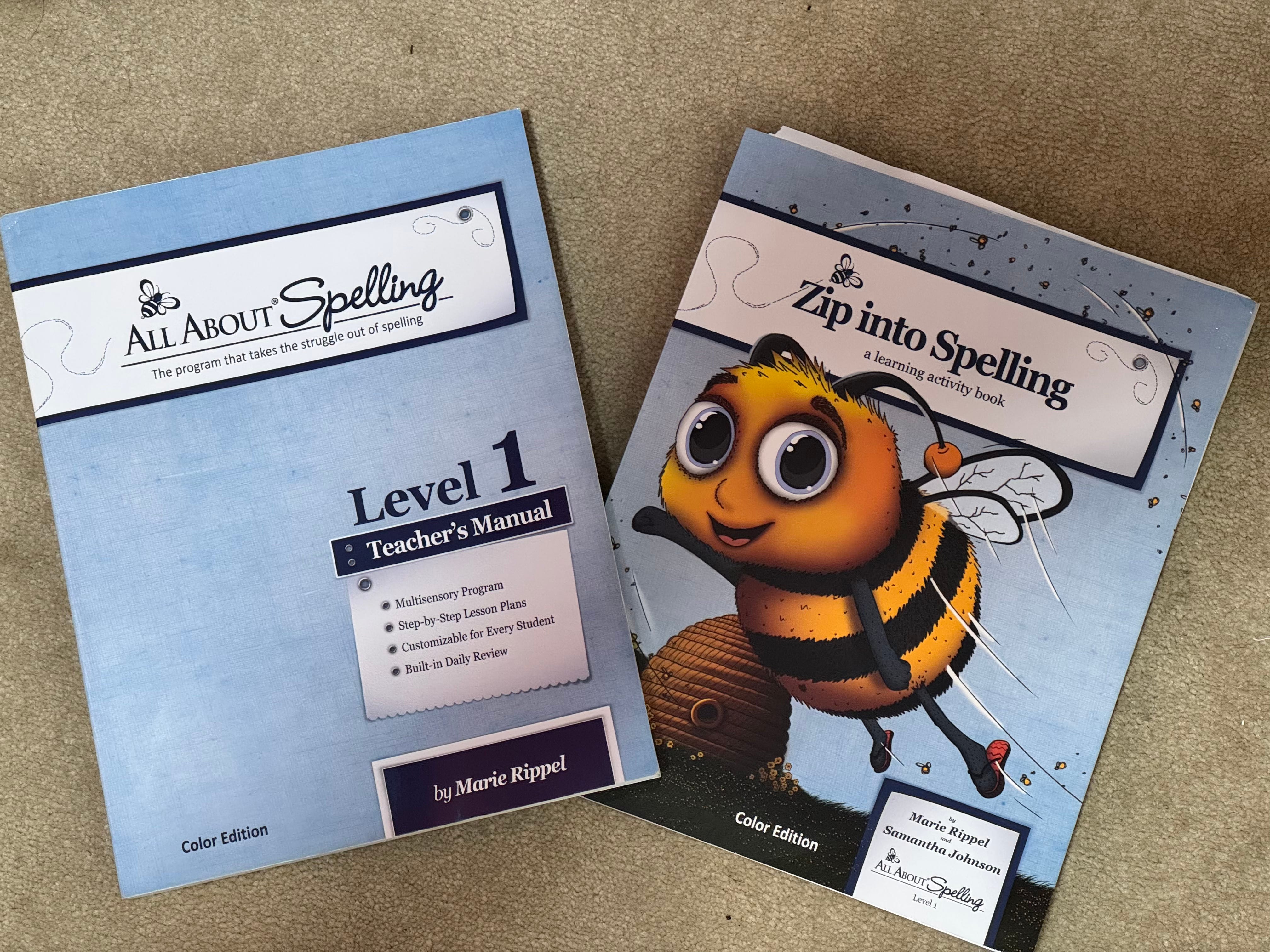
When I was a kid, all the spelling I learned over the years was pure rote learning. Turns out it doesn’t have to be that way. Despite the popular belief that English words do not have consistent rules when it comes to spelling and pronunciation, there actually are rules (though, of course, with exceptions).
All About Spelling is an excellent course for teaching kids how to break down words into syllables and how to spell syllables based on their sounds. This course comes in seven levels, progressively introducing complex words and sounds. It took me a month to finish Level One with my kid when he was only five years old, and we are now six months into Level Two, having almost finished it.
Handwriting Without Tears
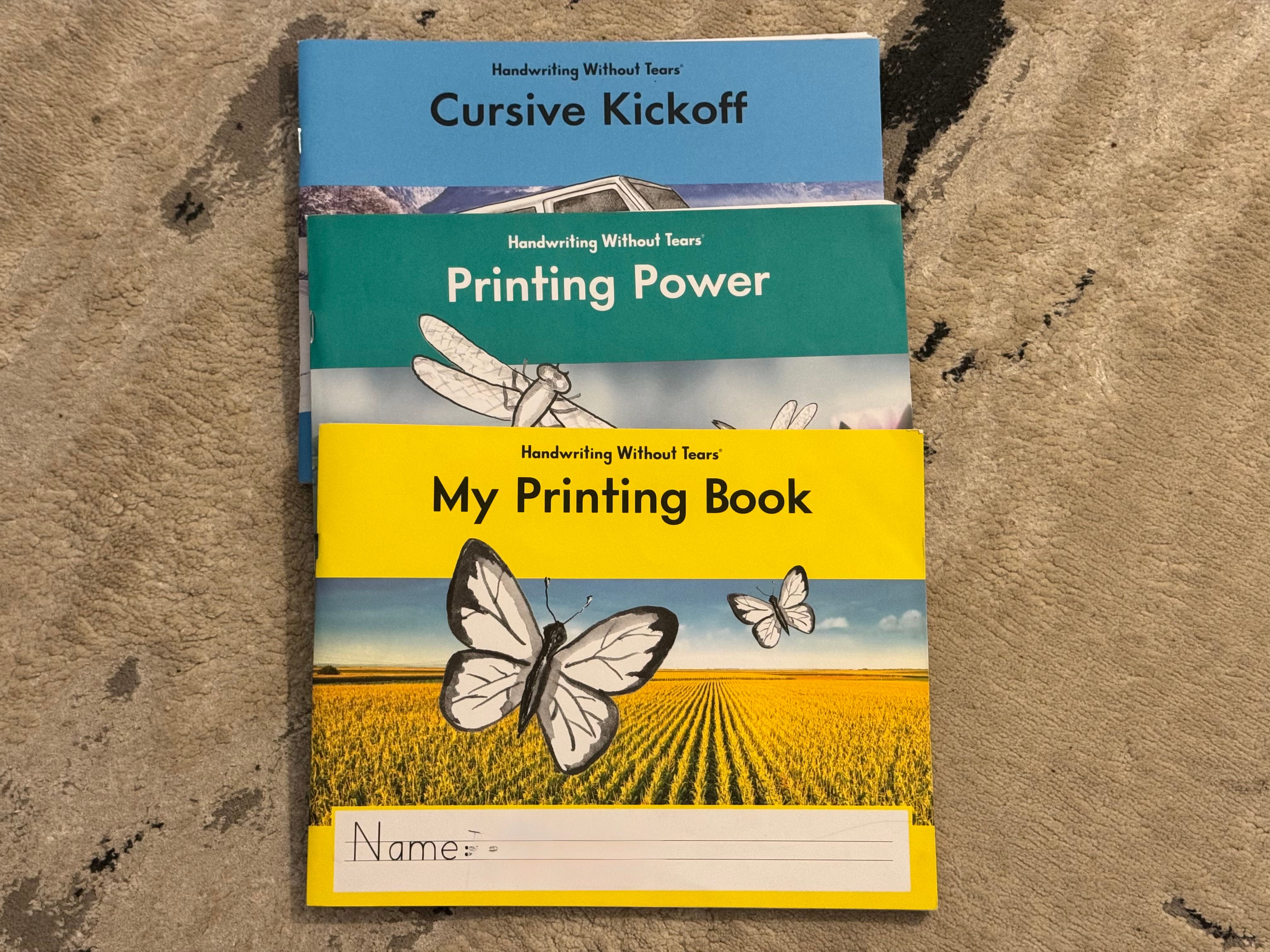
Learning Without Tears has a nice selection of books to help teach your kid how to improve their handwriting. Handwriting can be quite tricky for kids, given their delicate hands and lack of fine motor control skills at an early age. As such, I decided to work on this at home to help my kid get up to speed with writing neatly.
It has been more challenging, though. Compared to maths and spelling, my child finds writing exercises unenjoyable and usually tries his best to avoid them. Lately, I have reduced the focus on handwriting practice. However, this set of books is helpful, and I intend to keep it as a resource for handwriting.
.
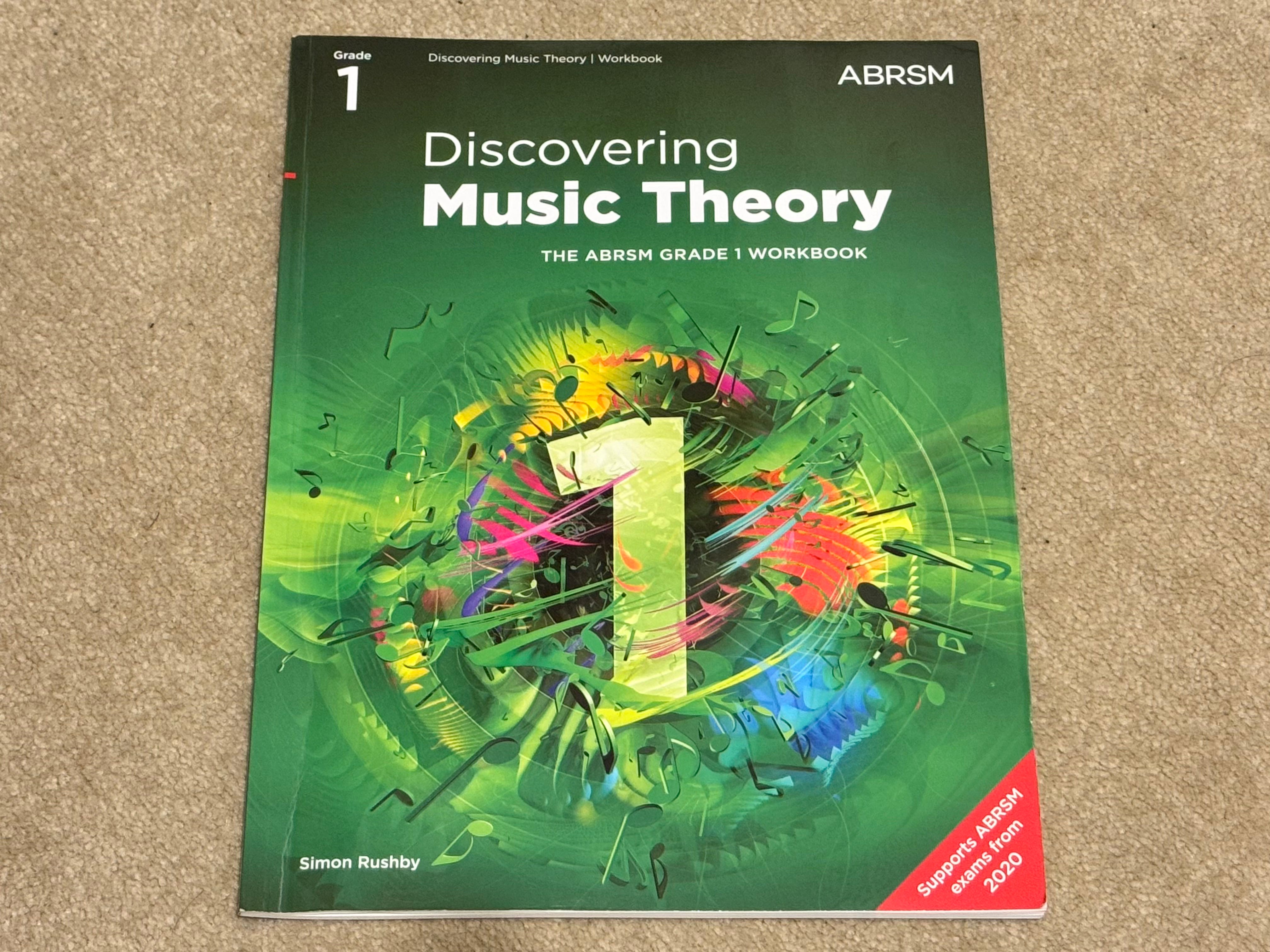
Discovering Music Theory, The ABRSM Grade 1 Workbook
My kid has been going to piano lessons for around ten months now. As a non-musical parent who has never learned an instrument, it has been very challenging to support his lessons at home. However, with this book, I discovered that even though I don’t know how to play the piano, I can actually learn how to read music sheets with a little bit of study. This has now allowed me to at least help my kid with improving his music reading skills and guide him in his practice when he has trouble reading notes from his teacher.
Books I used but won’t recommend
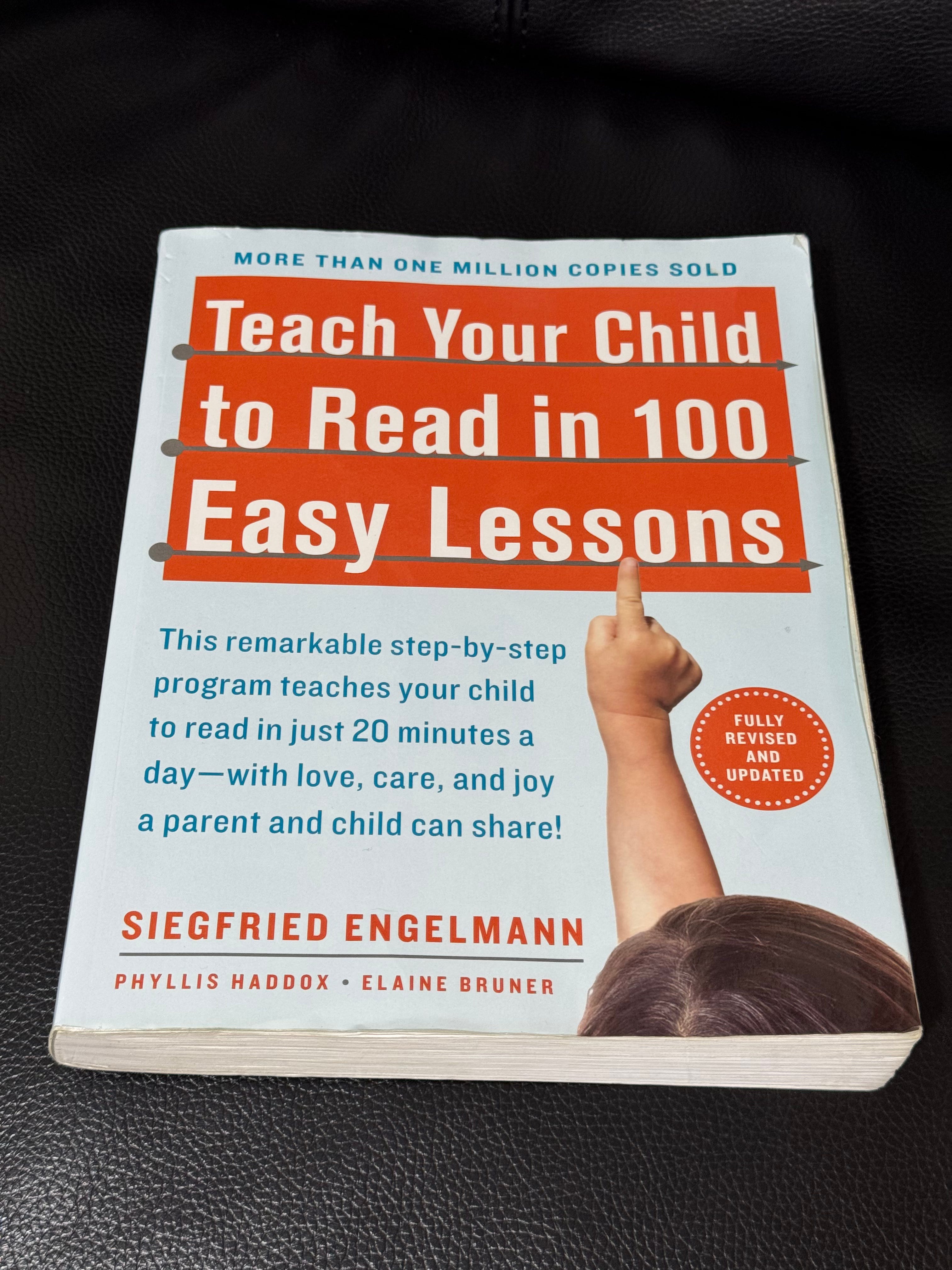
Teach Your Child To Read In 100 Easy Lessons
When my kid entered reception at school, he was only four years old. So my very first goal for his academics was to make sure he picked up reading soon. When I searched around a little, this book came to my attention and had great reviews, so I picked it up. Over the next six months, I used this book with my kid to learn how to read phonetically.
The book has its benefits. It teaches reading using a method that does work so long as you stick with it and do small lessons on a daily basis. However, there is a downside: the book is very boring. The lessons are dry, the included stories lack any real storytelling, and there are no colours or pictures. Thus, I had a lot of difficulty keeping my kid interested in doing his lessons with me. This led to a lot of unpleasant lesson times.
I actually regret having pushed my kid through this book now. Though he eventually did learn to read with it, it came at the cost of him (and me) enduring miserable 20-30 minutes daily.
An alternative that I have now heard about—and may pick if needed again in the future—is All About Reading (from the same company as All About Spelling).
What resources you use at home?
Do let me know if you have used any of these resources and had a different (or similar) experience with them. Also, if you have other resources you used to supplement schooling, would love to know as well.
Adios!